
There are more than 400 national park sites across the United States, and if you have a child in fourth grade, your family can visit them completely free — yes, really. Through Every Kid Outdoors, a national-funded government initiative, your fourth grader and their guests (hi mom and dad) can get a free pass to explore all of America’s federal lands and waters spanning millions of acres. Whether it’s Acadia in Maine, the Grand Canyon, Yosemite, or Hawaii’s Volcanos, the sky’s the limit to where your family can go and do. Read on for how to use it locally and nationally, and start planning that summer vacation now. (featured photo credit: istock/ Judd Brotman)
Fourth Graders Can Visit National Parks For Free
How being in nature helps kids learn
If you’ve got kids ages 9-11, then here’s a fact that you might not know: These tweens are in a unique developmental stage where they begin to understand how the world around them works in more concrete ways. What this means is they are more receptive to new ideas and most likely curious about nature and the environment. That’s why Every Kid Outdoors is a great opportunity—your family can enjoy these federal lands and waters during this crucial stage of learning. The ultimate reward? Inspiring stewardship of these outdoor spaces for future generations.
Ready to plan?
Though you might want to plan a spring break or summer vacation around one of the bigger parks around the country, you can start using it now. We found a number of home-grown NY destinations that accept Every Kid Outdoors passes, so you don’t have to travel far. And when you do hit the road, following park etiquette, like picking up litter and being mindful of animals or habitats, will teach your kids how to respect and preserve the parks so their kids and grandkids can someday enjoy them too.
Here are 25 NY parks and landmarks you can go to now
Monuments
African Burial Ground National Monument
This sacred space, located in Manhattan, is the oldest and largest known excavated burial ground in North America for both free and enslaved Africans. It offers an education on the hardship they endured in early America.
Castle Clinton National Monument
Standing where New York City began, this national monument represents the city’s growth as well as that of the nation. You can take tours, attend a program or event, or simply explore the beauty of this spot.
Ellis Island National Monument
Ellis Island is a memorial to all who pursued the American dream and have made this nation their adopted home. Millions of Americans and people around the world have ancestors who came through Ellis Island, and you can explore this historic and beautiful site.

Fort Stanwix National Monument
Take an 18th-century adventure when you visit this national monument, a vital link for travelers by water from the ocean to the Great Lakes. When Europeans arrived, there was fighting for control of the carry, the homelands of the Six Nations Confederacy, and the resources of North America.
Governors Island National Monument
Take a step back in time at this National Monument, home to art, culture, and performances, as well as centuries of military heritage. There are two distinct sites, Castle Williams and Fort Jay, that you need to stop at before you head back home.
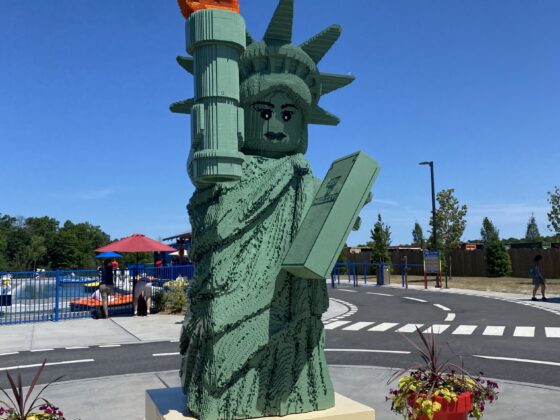
The Statue of Liberty is known as the universal symbol of freedom and democracy. It was dedicated to President Grover Cleveland in 1886 and is a beautiful place to step back in history, visit the Crown, explore the Pedestal, and walk around the Statue of Liberty Museum.
Located in Greenwich Village in New York City, this monument is a symbol of the quest for civil rights and a rallying point for a movement.
Memorials
Federal Hall National Memorial
This is the birthplace of the American government and the place where George Washington took the oath of office as the first President. It’s also home to the first Congress, the Supreme Court, and the Executive Branch.
This is the largest mausoleum in North America and the final resting place of President Ulysses S. Grant and his wife, Julia. There’s so much history to explore here, so make sure you leave time in your schedule to stay awhile.
Alexander Hamilton’s life is memorialized at this spot, which is the home he built on a country estate in uptown Manhattan. Today, it stands as a tribute to its owner’s many accomplishments and is rich in history.
Parks
Erie Canalway National Heritage Corridor
Spanning 524 miles across all of upstate New York, this site includes the Erie, Cayuga-Seneca, Oswego, and Champlain Canals, and where they historically align. These canals established a transportation network that made New York known as the “Empire State,” and today, you can take in the beauty and learn more about the history here.
Fire Island National Seashore
From serene waves and high dunes to historic landmarks and wildlife sightings, Fire Island is a special place and should be on your list of places to visit. While you are there, visit the William Floyd Estate, camp, learn all about the diverse wildlife and ecosystems, and explore all of the areas available to you.
As a getaway from the ocean into the New York Harbor, this is a beautiful spot to visit for outdoor fun and a relaxing day with the family. There are so many things to do here, including kayaking, birdwatching, boating, guided tours, and indoor activities when the weather is chilly or wet.
Harriet Tubman is one of the most notable historical figures in our country, and this is the location where she settled and found her peace, her community, and her family’s home. There are special events, history and culture, programs, and the Thompson Memorial A.M.E. Zion Church, which was her religious community for 22 years.
Saratoga National Historical Park
In 1777, a large British invasion force met the American army here at this very spot. Today, you can experience the battlefield, attend a special event including living history and lecture series, or simply explore everything this park has to offer.
Women’s Rights National Historic Park
This park tells the story of the first Women’s Rights Convention in 1848 and explores civil rights, human rights, and equality, which are struggles that continue to be seen today.
Historic sites
Eleanor Roosevelt National Historic Site
This is the home of Eleanor Roosevelt, where she and Franklin entertained friends, the press, activities, and official state visitors alike. You will find the couple’s homes, exhibits of the nation’s first Presidential Library, and over a thousand gardens and trails.
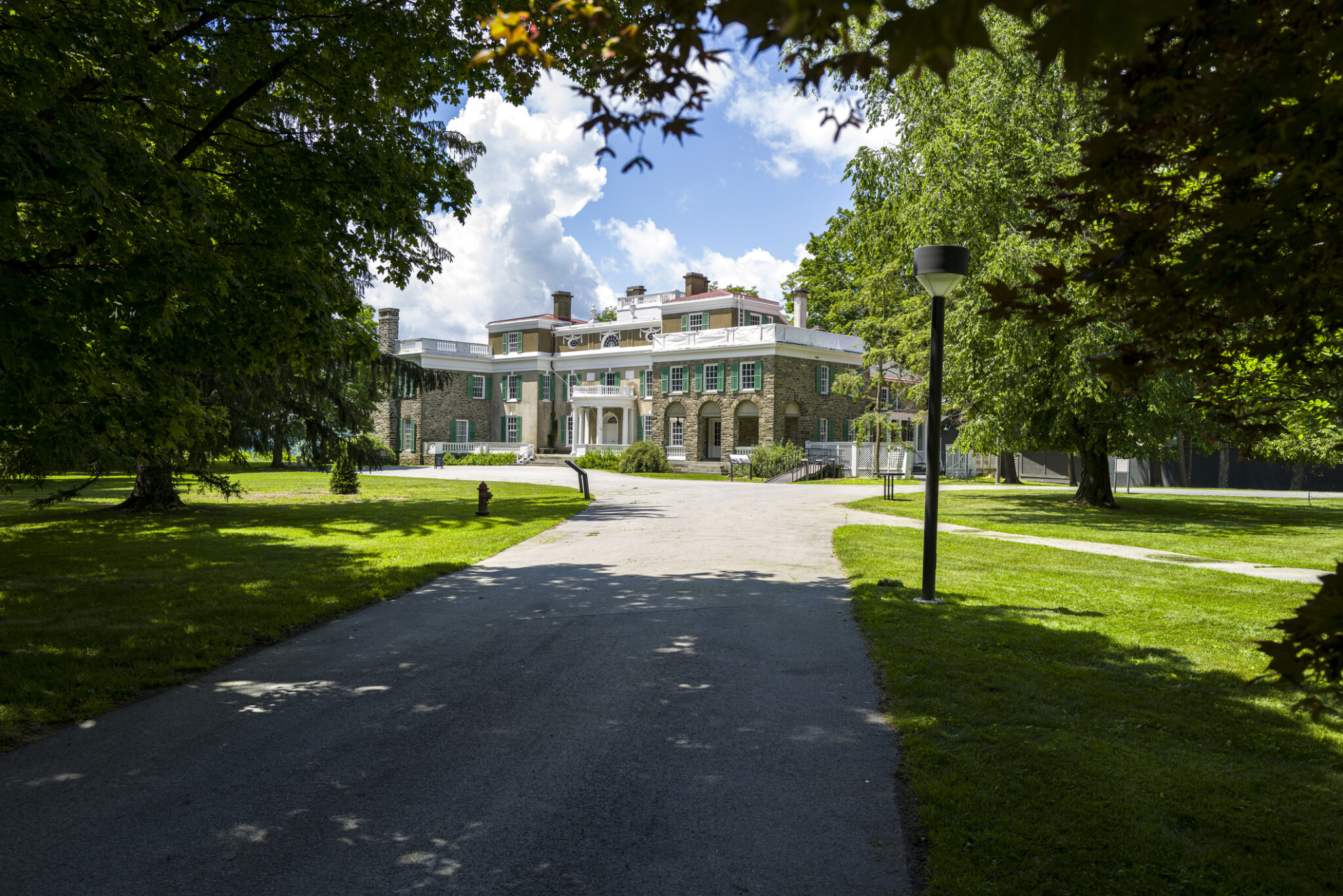
This gorgeous home and town belonged to the Roosevelts, where the President grew up, and today remain great spots to bring the family and take in all the history.
Martin Van Buren was the first president born a U.S. citizen, and his life spanned the American Revolution to the Civil War. Here you will find outdoor activities, expansive land, women’s history, and the historic house.
Niagara Falls isn’t just a beautiful place to visit; it’s also rich with history, including associations with American Indians, early European exploration, the French and Indian War, the American Revolution, the War of 1812, and the Underground Railroad.
Sagamore Hill was the home of Theodore Roosevelt from 1885 until he died in 1919. When you visit, you explore 83 acres of nature, historic buildings, and trails that tell the story of the beloved President’s legacy.
This church has been part of the community since 1665 and played a vital role in the colonial life of Eastchester, which is 20 miles north of New York City. In fact, during the American Revolution, American, British, and Hessian troops tore down the old wooden meetinghouse for firewood and used the unfinished chapel as a hospital.
This is the boyhood home of Theodore Roosevelt, who would grow up to be our 26th President, but as a child, he was often sick and spent a lot of time exercising to improve his health. To see the upstairs portion of the house, you need to take a guided tour.
Many people don’t know about this spot because it was where a brief and improvised ceremony brought Theodore Roosevelt into office, forever altering the nation.
This mansion was built by one of the first wealthy families in America and is a place where you can explore and understand the aristocratic lifestyle. Head on a guided tour and see 18 rooms on 3 floors of the mansion.